For warm-season grasses such as Bermuda or zoysia, late spring is your go-to window. That's when the soil warms up, and those seeds are ready to give it their all. You’ll want to wait until the temperatures are consistently over 65°F. This allows the seeds to germinate properly and get a solid start on the growing season.
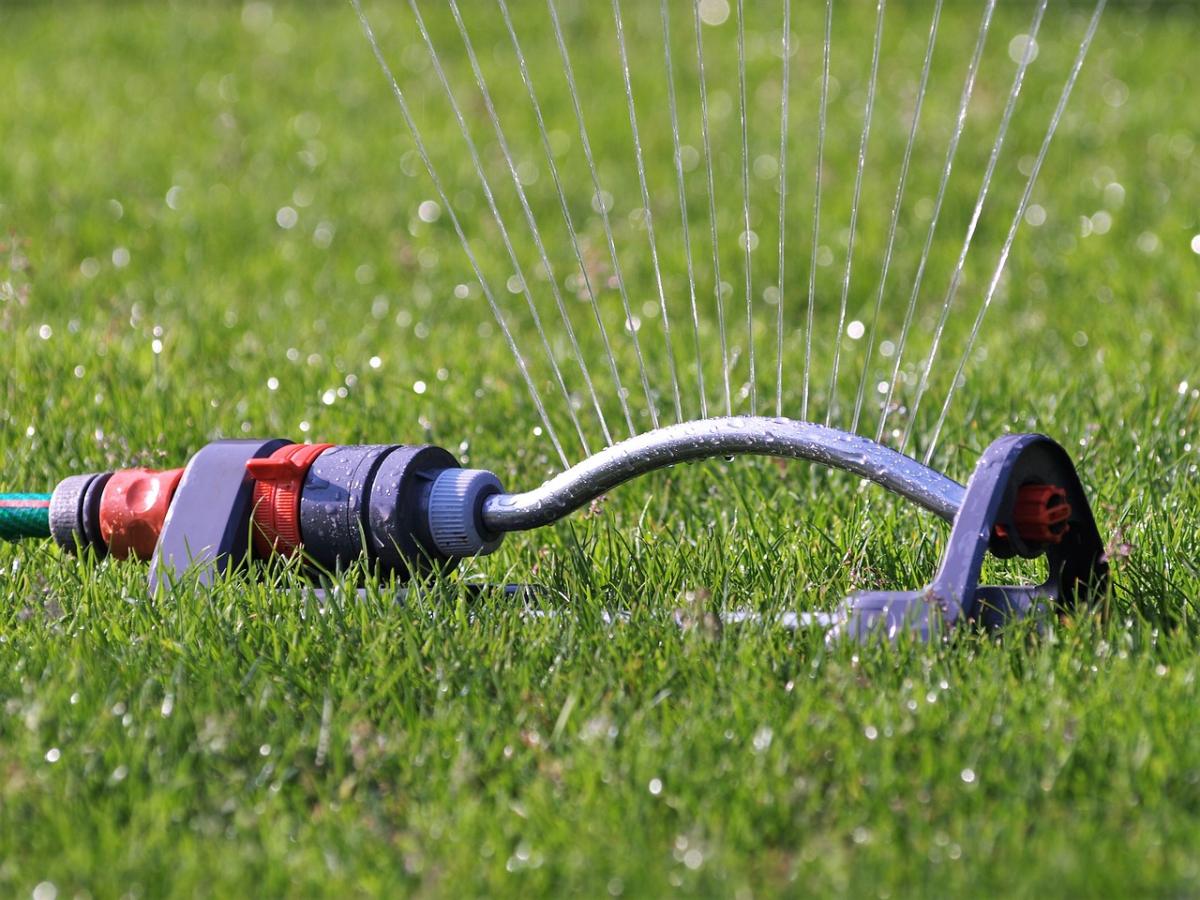
No matter when you decide to sprinkle, make sure to keep an eye on the forecast. A good rain following your seed application can do wonders, helping your seeds settle in and start growing. If rain isn’t in sight, be prepared to water regularly. Just don’t drown them; a good soak every few days works wonders!
Also, don’t forget about the importance of soil prep. Taking the time to aerate and loosen the soil can make a world of difference. It allows seeds to connect better with the soil, leading to quicker germination. So, get your schedule lined up, and let’s get that grass growing!
Ideal Weather Conditions for Grass Growth
Making sure your grass grows well starts with understanding the weather. Grass loves certain conditions, and getting those right can make a big difference. Generally, warm-season grasses thrive in temperatures between 75°F and 90°F, while cool-season varieties do best in the 60°F to 75°F range.
Rain is another important factor. Grass needs about an inch of water each week, either from rainfall or your sprinklers. So, if you’re in a dry spell, don’t hesitate to give your lawn a little extra love with some watering. Just be careful not to overdo it, as too much water can lead to problems like root rot.
Sunshine is key too! Grass generally needs a good amount of sunlight to grow strong and green. Aim for at least 6 to 8 hours of direct sunlight each day. If your lawn has shady spots, consider using shade-tolerant grass types, or think about trimming back nearby trees and bushes to let the sun in.
Wind can also play a role in your grass's health. Strong winds can dry out the soil quickly, so keep an eye on those chilly gusts. If your area tends to be windy, consider adding windbreaks, like hedges or fences, to protect your grass and help it stay moist.
Timing is everything. Planting your grass when conditions are ideal sets you up for success. Pay attention to seasonal changes, and try to seed when the weather fits the needs of your grass type. With the right weather and care, you’ll have a lush lawn in no time!
How to Prepare Your Lawn for Seeding
Getting your lawn ready for seeding is super important if you want that lush, green look. First things first, you need to clear out any debris. Grab a rake and remove sticks, leaves, and old grass. If you have any pesky weeds, pull them out too. Weeds compete with your new grass and can stunt its growth.
Next, you want to loosen up the soil. A good tilling or aerating will help your seeds make good contact with the soil. If your lawn feels compacted, you can rent an aerator from your local garden center. Just make sure to go over all the areas where you plan to seed. This will create little holes for your seeds to settle into.
Don’t forget about soil quality. A soil test can tell you if you need to add any nutrients. Generally, adding some compost or a starter fertilizer works wonders. Spread it evenly across your lawn to give your new seeds the best chance to sprout and thrive.
Finally, level out any uneven spots in your lawn with soil or compost. Just a little smoothing can help water distribute evenly and give you a nicer finish. Once all that’s done, you’re ready to sprinkle those grass seeds and watch your lawn transform!
Tips for Successful Grass Seed Sprinkling
Starting your lawn from grass seed can be a rewarding experience, but sprinkling that seed the right way can make all the difference. Here are some tips to help you get it just right.
First off, choose high-quality grass seed that’s suited for your climate. Different types thrive in different areas. It’s worth it to do a little research on what grows best in your region. Once you have your seed, make sure to prepare your soil. Loosen it up with a rake and remove any weeds or debris. A well-prepped area means better seed-to-soil contact.
When it comes time to sprinkle, don’t just toss handfuls randomly. Use a seed spreader for even distribution. This tool will help avoid patches that get too thick or thin. Aim for a rate that matches the package instructions. It’s better to start with a smaller amount and adjust if needed. If you go too heavy, you may end up with weak grass.
After sprinkling the seed, give it a light covering of soil. Just a thin layer will do. This keeps the seeds protected while allowing sunlight and moisture to reach them. Water gently but thoroughly right after you sprinkle, and keep the soil moist but not soggy in the days that follow. Frequent light watering is the key to germination.
Lastly, be patient! Grass seed doesn’t sprout overnight. Depending on the type you chose, it can take anywhere from a week to a few weeks to see those green shoots. Keep an eye on moisture levels and protect the area from foot traffic while the grass establishes itself.