Taking care of your lawn is a whole lot easier with the right tools in your shed. You don’t have to break the bank, either! Here are some essential tools that'll make lawn maintenance a walk in the park.
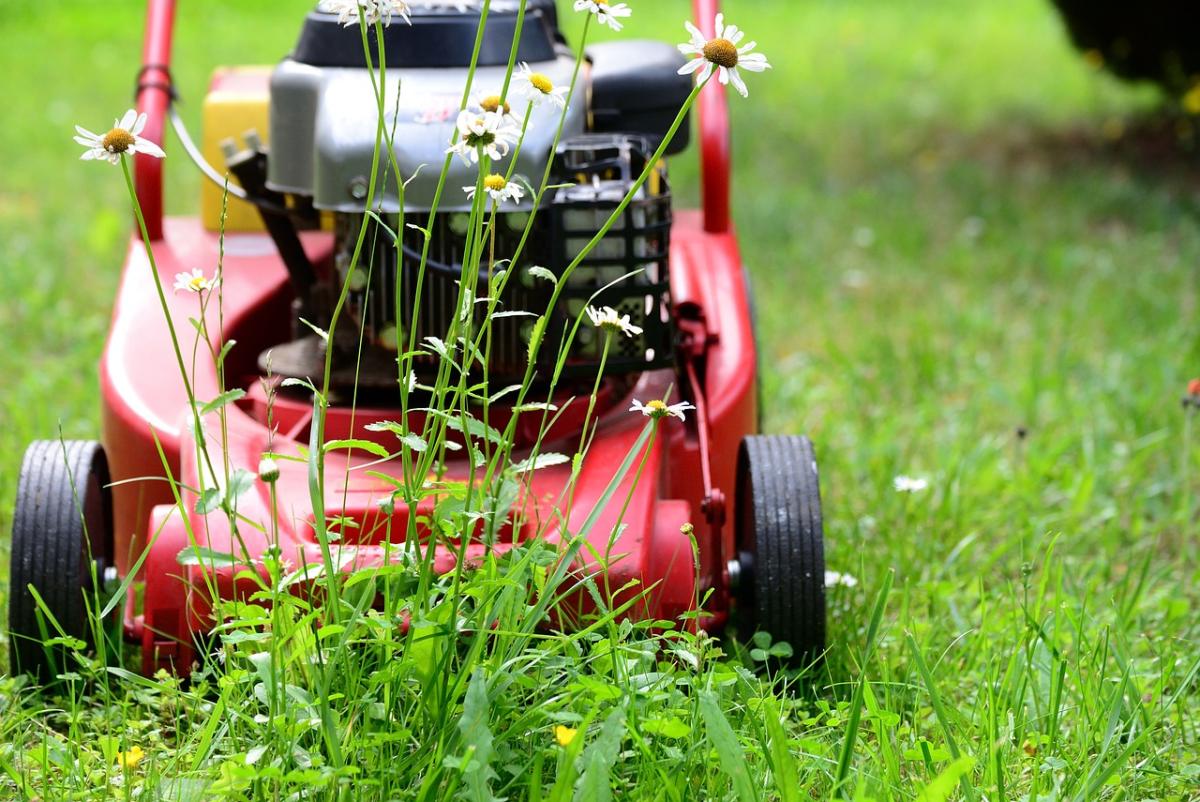
Lawn Mower: A good lawn mower is your best friend. Whether you go for a push mower or a ride-on model, find one that suits the size of your yard. Look for features like adjustable cutting heights and easy-to-empty grass bags. You want something that makes quick work of those overgrown patches!
String Trimmer: Edging your lawn is super important for a polished look. A string trimmer, or weed eater, helps you reach those tricky spots that a mower can't get to. Go for a lightweight model that's easy to handle, especially if you've got a lot of trimming to do.
Rake: Don’t underestimate the trusty rake! It’s perfect for gathering leaves in the fall, spreading mulch in the spring, or just keeping your lawn tidy. Look for a rake that's sturdy and comfortable to use. You’ll be surprised how handy it is!
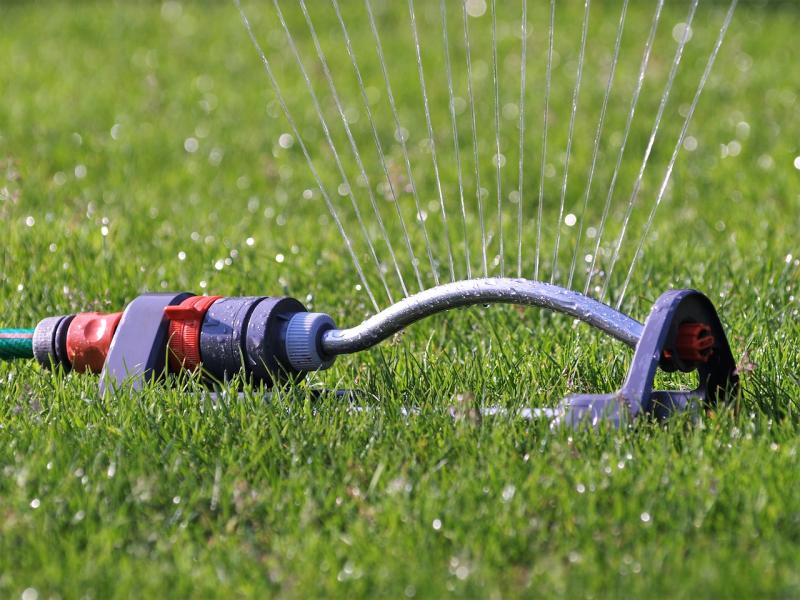
Garden Hose: A good hose is vital for watering your lawn. Look for one that’s flexible and resistant to kinks. A nozzle with adjustable settings can help you water plants, flower beds, or spray down paths. Staying hydrated is key for a lush lawn!
Top Seed Options for Lush Grass
Choosing the right seed can make a world of difference for your lawn. You want grass that not only looks great but also thrives in your specific conditions. Here are some top seed options to consider:
When picking your seed, think about your lawn's sunlight, moisture, and traffic levels. You don’t want to end up with a grass type that doesn’t fit your environment. And remember, mixing seeds can result in a fuller and more resilient lawn!
Effective Weed Control Solutions
Keeping your lawn looking its best means tackling those pesky weeds before they take over. A weed-infested yard isn't just an eyesore; it can choke out your grass and plants. Luckily, you can arm yourself with some straightforward tools and strategies to keep your lawn healthy and weed-free.
First off, consider using a high-quality pre-emergent herbicide. These products create a barrier in the soil that stops weed seeds from germinating. Apply them in early spring for cool-season weeds or late summer for warm-season weeds. Just make sure to follow the instructions carefully to get the timing right. Timing is key!
If you’re dealing with established weeds, a targeted post-emergent herbicide can be a lifesaver. Look for one that specifically addresses the types of weeds you’re facing, whether it’s dandelions or crabgrass. Spot spraying works best, so grab a handy spray bottle and target those trouble spots directly without harming your grass.
Don’t overlook the power of good old-fashioned manual weeding! A trusty weeding tool or hoe can help you dig up weeds right from the roots, preventing them from coming back. It’s a bit of a workout, but it’s satisfying and gives you a chance to enjoy some fresh air while you’re at it.
Lastly, keep your lawn healthy with proper mowing and watering. A thick, lush lawn is less likely to fall prey to weeds. Make sure to mow high—about three inches is ideal. This shade keeps the soil cool and makes it tough for weed seeds to sprout. Water deeply but less frequently to encourage strong roots. Healthier grass means fewer weeds, and who doesn’t want that?
Helpful Lawn Care Tips for Homeowners
A beautiful lawn doesn't happen by accident. With a little effort and the right tools, you can easily keep your yard looking its best. Here are some handy tips to help you achieve that perfect green landscape.
First off, don't skip regular mowing. Keeping your grass at the right height is crucial. For most lawns, aim for about 2.5 to 3 inches. This encourages strong root growth and helps your grass stay healthy. Remember to keep your mower blades sharp so you get a clean cut; ragged edges can lead to lawn diseases.
Next, watering is key. Deep, infrequent watering is better than shallow, frequent watering. Go for about an inch of water per week, but adjust based on the weather. Early morning is the best time for watering; it allows the grass to dry out during the day, preventing diseases.
Don’t forget to fertilize! Using the right fertilizer can make a huge difference. Look for a balanced formula and apply it in the spring and fall for the best results. This gives your lawn the nutrients it needs to thrive.
Finally, aerating your lawn is important too. It helps with soil compaction and allows air, water, and nutrients to penetrate deep into the roots. You can do this once a year, especially in the spring or fall. With these tips in hand and a little consistency, your lawn will be the envy of the neighborhood!