If you're dreaming of a lawn that's the envy of the neighborhood, you've got to start with great soil and the right grass type. Not every grass is created equal, especially when it comes to your local climate. Choose a variety that's suited to your area; it’ll make all the difference in how well your lawn grows.
Once you've picked the right grass, give it the best chance to thrive. Aerating your lawn allows nutrients, air, and water to reach the roots. You can use a simple garden fork or a specialized aerator. Just poke holes in the soil every few inches. This little effort goes a long way in helping your grass absorb everything it needs to grow strong.
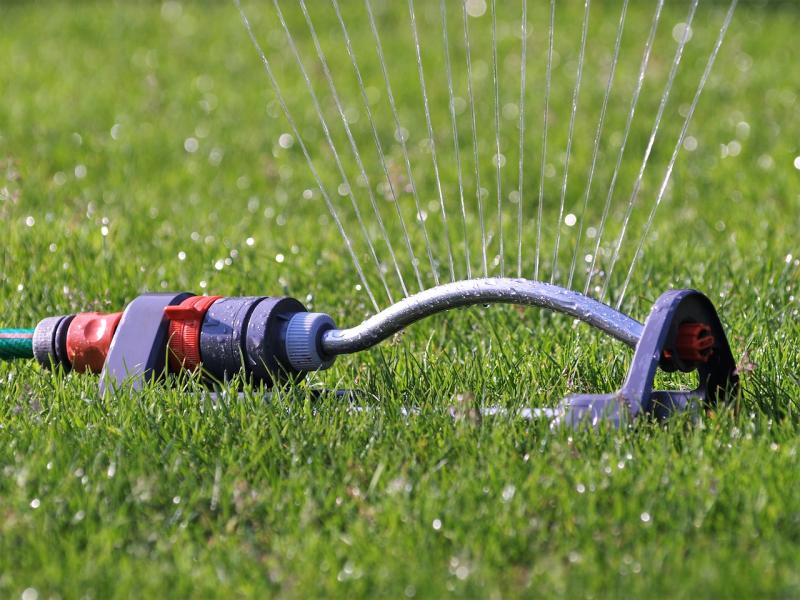
Watering correctly is also key. Grass loves water, but too much can drown it. Aim for about an inch of water each week, either from rainfall or your hose. Early morning is the best time to water, so you avoid evaporation and fungal growth. Just be consistent, and your grass will thank you.
Don’t forget about lawn food! Fertilizing is a game changer. A good slow-release fertilizer will provide your grass with nutrients over time. Look for one high in nitrogen, which keeps your grass lush and green. Just follow the instructions and don't overdo it—the right amount will keep your lawn looking its best without the risk of burning it out.
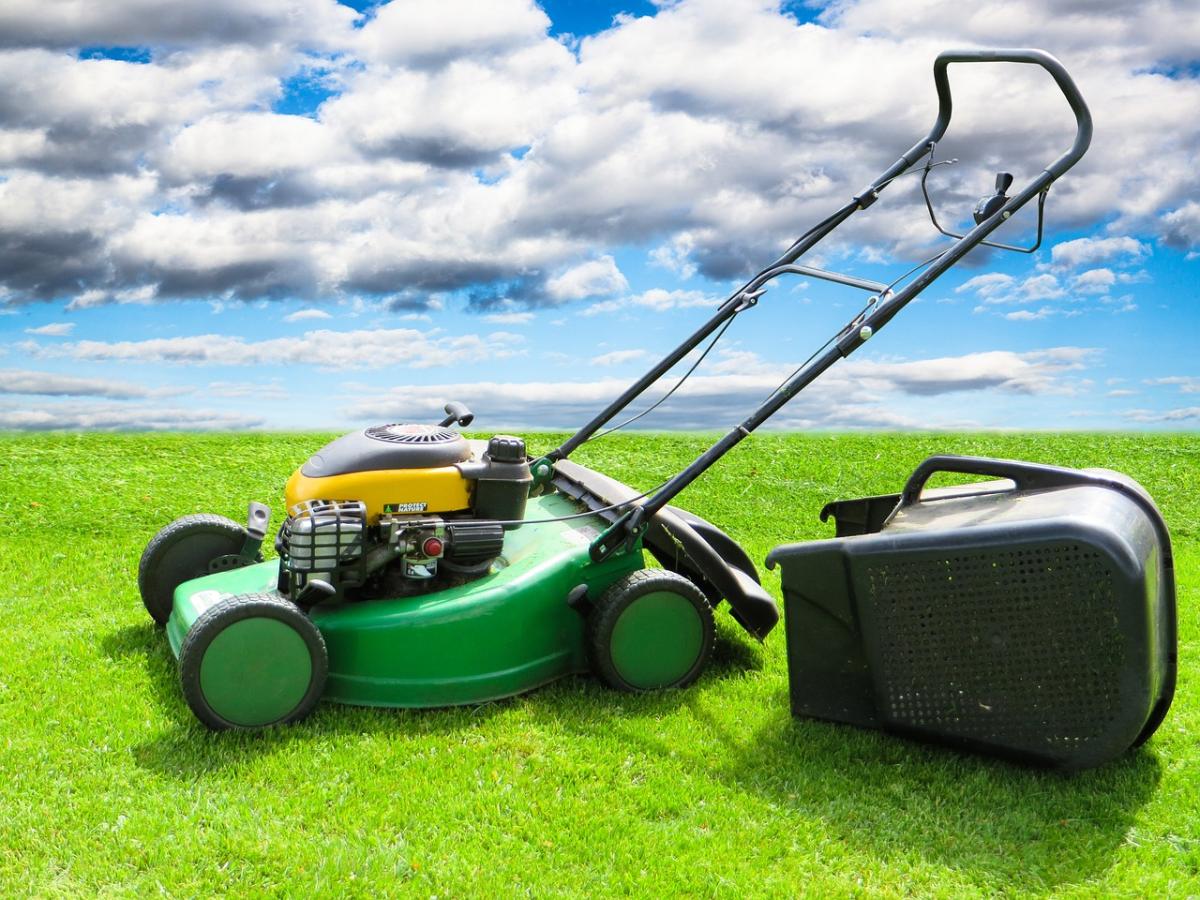
Lastly, regular mowing helps too. Keep your mower blades sharp and set them high. Cutting too short stresses the grass and can lead to brown patches. Taking a little off the top every week or two keeps your lawn healthy and vibrant. Enjoy the compliments as your lawn transforms into that luxurious green carpet you've always wanted!
Choose the Right Grass Type
Choosing the right grass type is like picking the perfect pair of shoes – it needs to fit your lifestyle and location. Different grass varieties thrive in different climates and soil types. Think about where you live, how much sun your yard gets, and how you plan to use your lawn. This simple decision can make a big difference in how your lawn looks and feels.
If you’re in a cooler climate, consider cool-season grasses like Kentucky Bluegrass or Perennial Ryegrass. They love the chilly weather and will stay green during the spring and fall. On the flip side, if you live in a warmer area, warm-season grasses like Bermuda or Zoysia might be your best bet, as they can handle the heat and stay vibrant all summer long.
Don’t forget about your lawn’s intended use! If you’ve got kids or pets running around, go for a durable grass that can withstand some foot traffic. Tall Fescue is a tough option that stays green and holds up well despite all that playtime. For a showpiece yard, choose something that looks lush and manicured, like fine fescue or a high-quality blend.
Lastly, consider maintenance. Some grasses need more love and care, like regular mowing and watering. Others are low-maintenance and keep up their good looks on their own. Make sure you pick a type that matches how much time and effort you want to invest. A little planning goes a long way!
Watering Tips for a Green Lawn
Watering your lawn might seem simple, but there’s an art to it. The goal is to give your grass just the right amount of moisture without drowning it. Early morning is the best time to water. The air is cooler, and the sun isn’t blazing down yet, so the water penetrates the soil better. Plus, it gives your lawn all day to dry out, which helps prevent diseases.
How much should you water? Aim for about one inch of water per week. You can measure this by placing a small container, like a tuna can, in your yard while you water. Check how long it takes to fill it up. That gives you a good benchmark for future watering sessions.
Another important tip is to water deeply but less frequently. This encourages roots to grow deeper into the soil, making your lawn more drought-resistant. Instead of watering every day, go for every three to four days, depending on the weather. If it’s super hot or if you’ve got sandy soil, you might need to adjust this a bit.
Watch for signs that your lawn needs water. When the grass starts to look a little blue or has footprints that stay visible, it’s time to break out the hose. If the blades start folding, it’s definitely crying out for some hydration!
Easy Lawn Care Tricks
Taking care of your lawn doesn’t have to be a chore. With a few easy tricks, you can keep your grass looking lush and green without a ton of effort. Here’s what you need to know!
First off, water smartly. A deep soak once a week is usually better than light sprinkling every day. You want those roots to reach deep into the soil. Try watering early in the morning, so your grass has the day to absorb moisture before the heat kicks in. If you’re unsure how much to water, look for that talkative grass: if it's a bit tired and droops, it’s thirsty.
Next, don’t forget about mowing. Keeping your mower blades sharp is key. A fresh cut helps the grass heal faster and look its best. And keep your grass a bit taller—around three inches—because longer grass means deeper roots and less stress during dry spells.
Finally, give your lawn some love with a good fertilizer. Choose a slow-release option that feeds the grass over time. You want to avoid that quick boost that can burn your lawn. And don’t be shy about aerating! It lets air, water, and nutrients reach the roots while preventing compaction.